

There is an estimated $58 trillion in private and institutional capital currently sitting in global funds seeking viable, high-yield deployment outlets [00:47]. At the same time, Nigeria stands at a critical juncture—boasting vast natural reserves, a massive consumer market, and high-growth potential across key economic sectors [00:08].
Yet, for decades, a persistent paradox has defined the African corporate landscape: global capital searches for returns, while viable African projects struggle to secure funding.
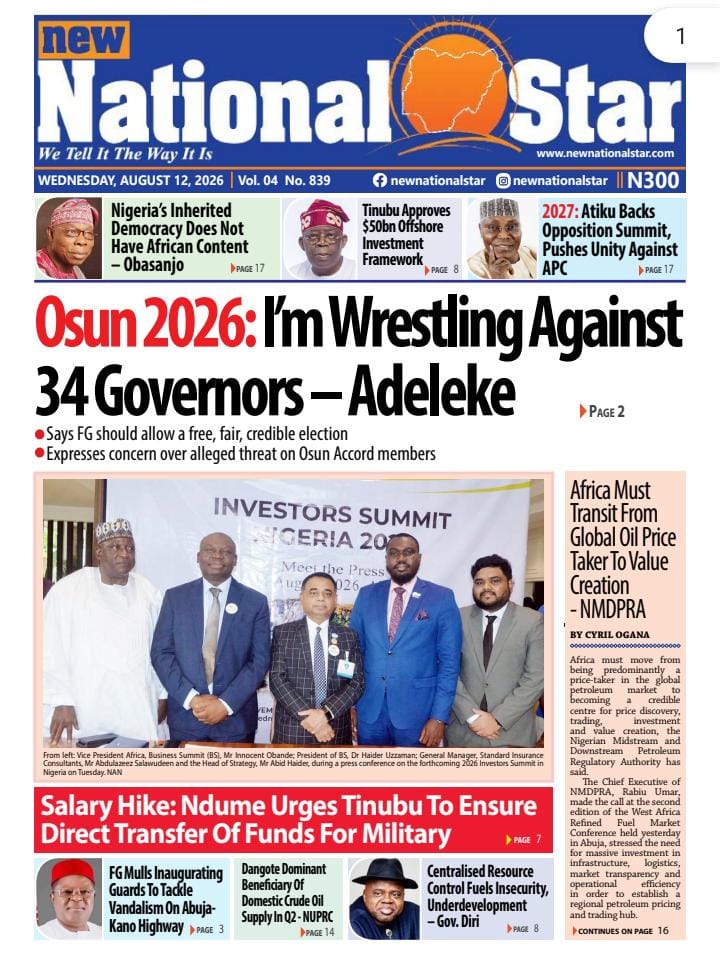
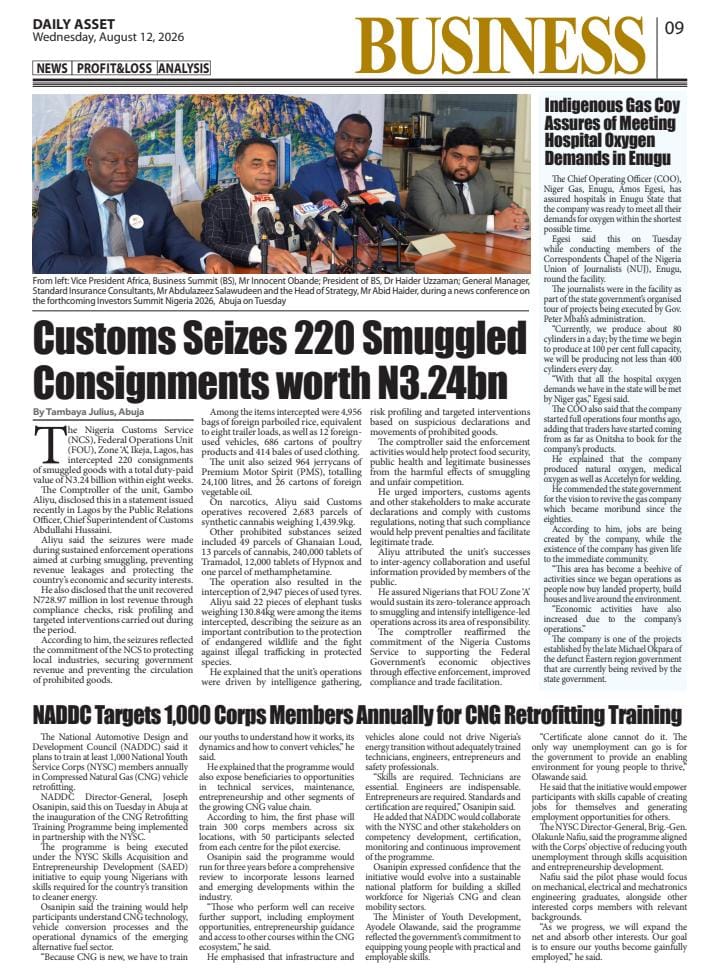
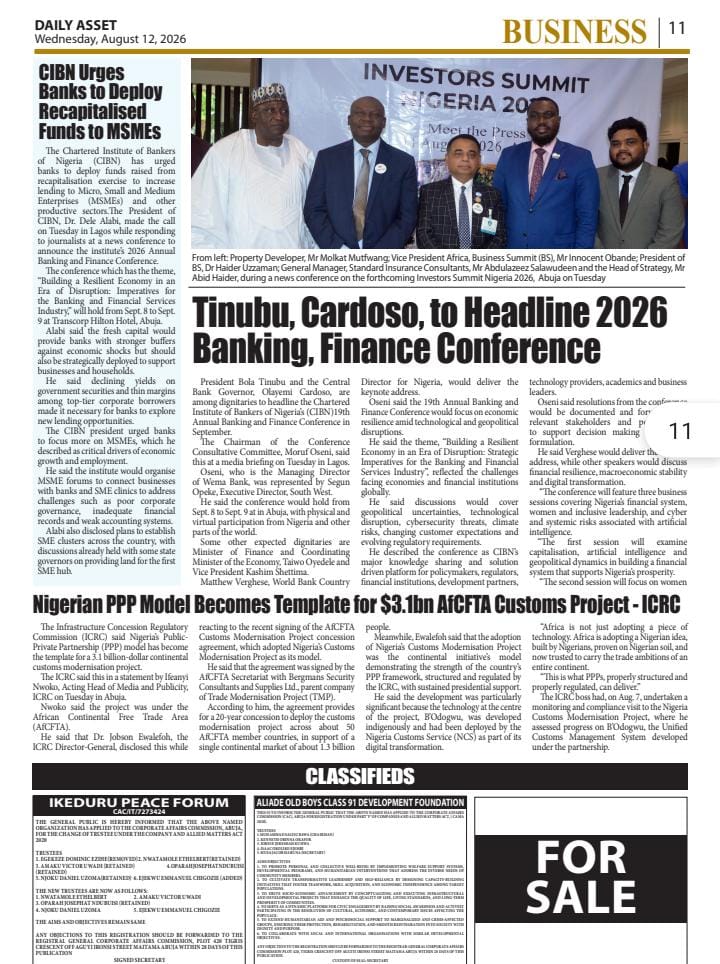
The upcoming International Investors Summit Nigeria 2026 (hosted by the Business Summit Group in Abuja) aims to break this bottleneck by mobilizing over $100 billion in investment commitments across strategic sectors [00:00].
At Trevari Group, where we specialize in strategic growth, corporate structuring, and project advisory, this shift is more than just headline news—it represents a fundamental evolution in how capital enters emerging markets.
1. The Era of Talk Shops Is Officially Over
Historically, international economic summits followed a predictable playbook: high-level panel discussions, broad political declarations, and abstract diagnoses of Africa’s infrastructure deficits. While these conferences brought publicity, they rarely closed deals.
The 2026 summit signals a deliberate pivot from talk to transaction. As Dato’ Dr. M. Haider Uzzaman, President of the Business Summit Group, highlighted during the Abuja press briefing, the focus is now squarely on direct business connections, public-private partnerships, and actionable investment execution [02:33].
“Our intention and the purpose of our journey is to close businesses and get you the investors as fast as possible, cutting through narrow lanes, wasted time, energy, and money… letting you sit face-to-face with investors across the table.” — Dato’ Dr. M. Haider Uzzaman, President, Business Summit Group [02:33]
This direct-match philosophy has already proven its concept. During a previous summit iteration in Bangkok, Thailand, a delegation from Plateau State, Nigeria, leveraged structured B2B engagements to convert summit leads into over $1 billion in secured investment commitments within just six months.
2. What Foreign Investors Are Actually Looking For
A common misconception among business owners is that foreign investors are eager to fund early-stage ideas or speculative concepts. The reality of international institutional finance is starkly different:
- Core Institutional Threshold: Major global funds prioritize projects that are “ready to go.” The ideal ticket size for institutional players generally exceeds $10 million [01:06].
- Dedicated SME Channels: To ensure young entrepreneurs and small-scale business owners aren’t excluded, specialized matchmaking sessions are structured specifically for deals in the $1 million to $10 million range [00:30, 01:25].
Investors aren’t buying into pitch decks or abstract potential; they are funding de-risked, bankable assets with clear paths to execution and revenue generation.
| Target Investor Segment | Deal Size Range | Primary Target Audience | Business Readiness Requirement |
| Institutional & Private Equity | $10 Million+ | Established enterprises, infrastructure, energy | Fully structured, shovel-ready assets |
| Growth & SME Matchmaking | $1 Million – $10 Million | Growth-stage ventures, young tech & agritech founders | Validated operational & cash-flow models |
3. High-Growth Sectors Targeted for Inflow
The drive toward $100 billion in commitments spans several critical growth drivers in the Nigerian economy:
- The Energy Sector & Power Reforms: Recent policy decentralization allowing private investors to generate, transmit, and distribute electricity has unlocked massive potential [02:03]. Off-grid power solutions, renewable energy transitions, and gas-to-power infrastructure are prime targets for cross-border joint ventures.
- Agriculture & Agro-Processing: Shifting from primary commodity export to mechanized farming, local processing, and supply chain logistics to capture value locally [01:32].
- Mining & Solid Minerals: Tapping into Nigeria’s underutilized mineral wealth through structured, sustainable extraction and processing ventures [00:18].
- Digital Economy & Infrastructure: Localized AI integration, fintech expansion, healthcare systems, and transport infrastructure [00:18].
4. How Trevari Group Prepares Your Business for Global Capital
The availability of global capital is only half the equation; the other half is investment readiness. At Trevari Group, we assist businesses in navigating the transition from operational success to corporate bankability.
When international investors evaluate a project, they evaluate four core fundamentals:
- Governance & Legal Structure: Are equity arrangements, compliance records, and ownership titles transparent?
- Financial Modeling & Risk Assessment: Are financial forecasts grounded in stress-tested assumptions with realistic exit strategies?
- Bankability: Is the project structured to withstand currency fluctuations, regulatory shifts, and operational bottlenecks?
- Scalability: Does the enterprise have the executive capacity to deploy millions of dollars in capital efficiently?
Moving from Potential to Execution
The narrative around investing in Nigeria is shifting from abstract potential to structured commercial transactions. With over 100 international investors and corporate delegations entering the market, the opportunity to secure growth capital is very real [00:30].
However, capital flows to where it is welcomed and stays where it is structured properly. Whether you are expanding an infrastructure project, scaling an agricultural venture, or restructuring an energy enterprise, success depends on how ready your project is when you sit face-to-face across the table.
Is your business ready to secure international capital? Contact Trevari Group today to evaluate your investment readiness and position your corporate projects for global growth.